


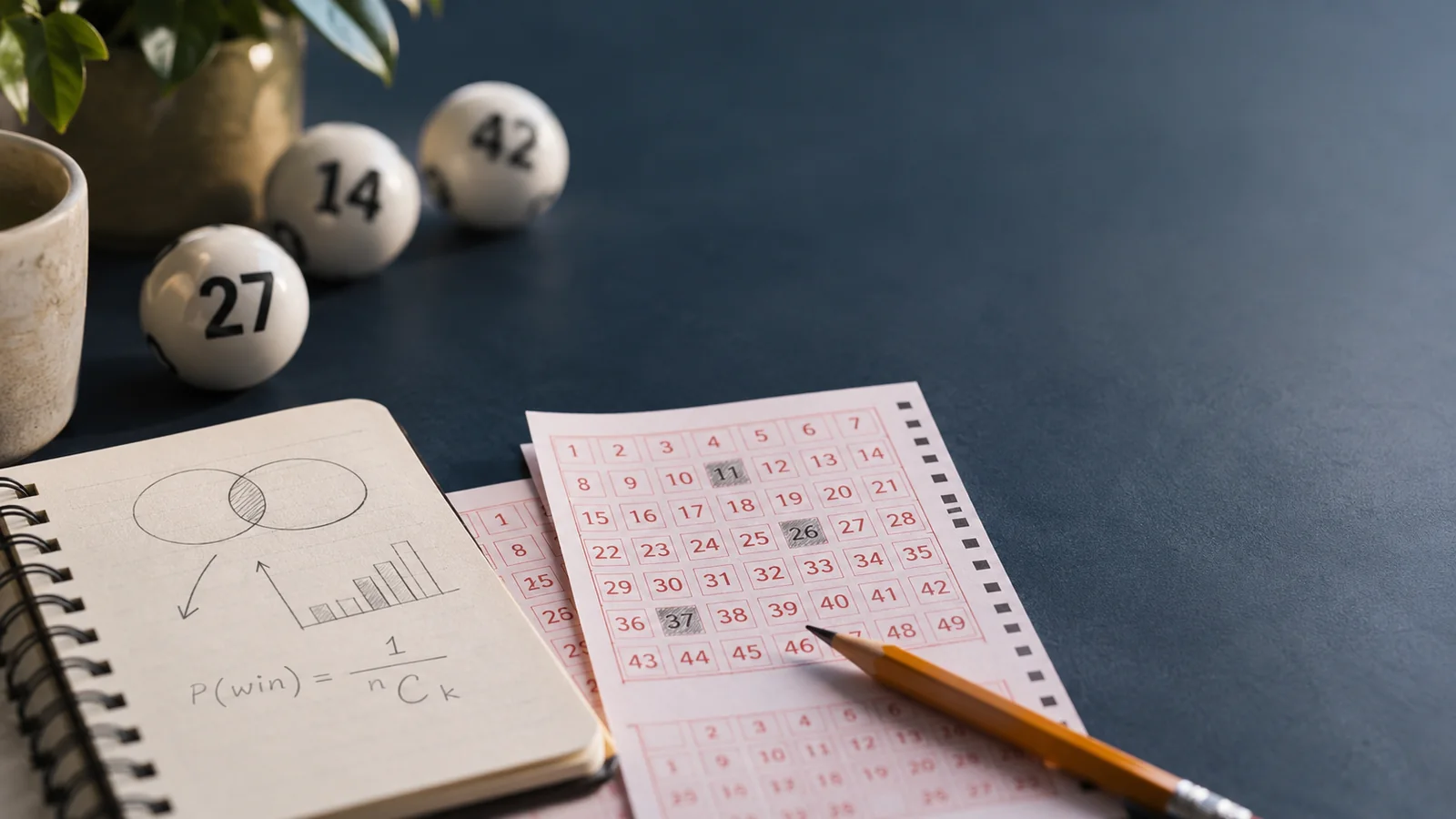
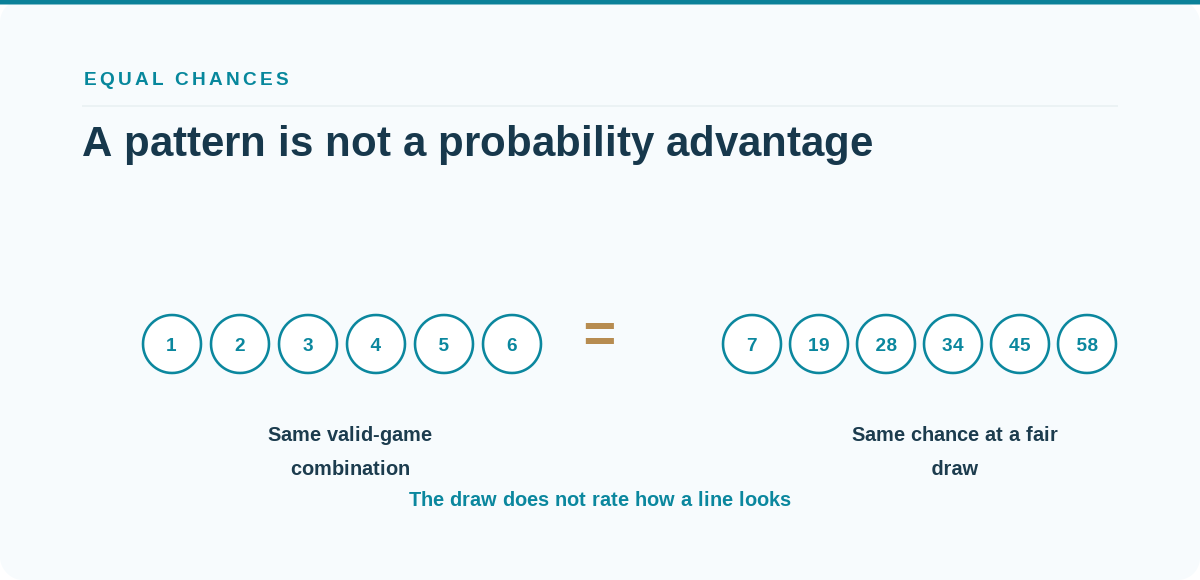
The numbers 1, 2, 3, 4, 5 and 6 look like a dreadful lottery selection. Six consecutive numbers? Surely nobody would seriously expect those to win a jackpot.
Now consider 7, 19, 28, 34, 45 and 58. It looks much more random: numbers spread across the range, with a mixture of odd and even values.
Here's the surprising part. In a fair six-from-59 lottery draw, both combinations have exactly the same chance of winning.
So if a computer-generated line and your own hand-picked numbers have equal odds, why bother using a lottery number generator? There are several good reasons — just not the one some people imagine.
What actually determines your lottery odds?
Lottery odds come from the rules and mathematics of the game, not the method used to select a ticket.
Consider a traditional six-from-59 lottery. You choose six different numbers from 59 available balls. There are precisely 45,057,474 possible six-number combinations, and only one matches all six winning numbers in a single round.
Each valid combination therefore has a one-in-45,057,474 chance of matching all six in one fair round. Birthdays, favourite numbers, computer selections and unusual patterns all receive exactly the same mathematical treatment.
UK Lotto changed in June 2026
Here's a detail older lottery articles may miss. Under the rules in force from June 2026, every standard UK Lotto entry participates in two separate rounds on each draw night. The same six numbers play in both, and either round can produce a jackpot-winning match.
The single-round probability is still one in 45,057,474. Across both rounds, the officially published jackpot odds are approximately one in 22,528,738 per entry. This is a change to the game structure, not a special advantage from how you pick your numbers.[1]
One in 45,057,474 describes matching six numbers in a single round. One in 22,528,738 is the game's published approximate jackpot chance for an entry participating in both rounds. Check the date on any odds chart you use.
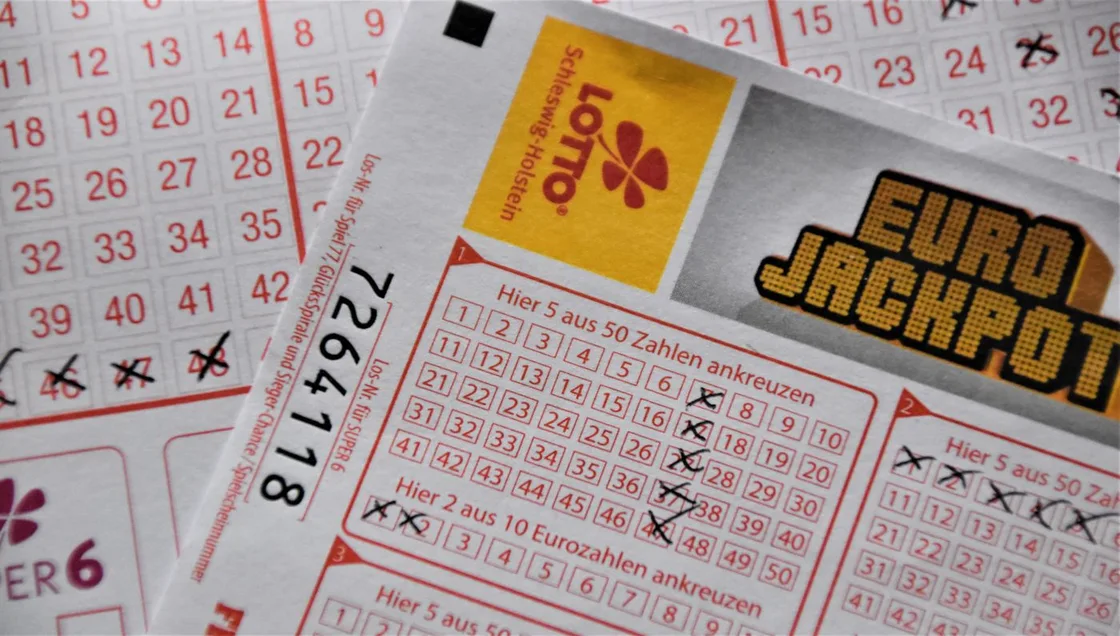
Do generators work differently for other lotteries?
Yes. A useful generator follows the game's number pools and selection rules. But the odds come from the format itself.
| Lottery | Standard selection | Jackpot odds |
|---|---|---|
| UK Lotto | 6 from 59; two rounds per entry | 1 in 22,528,738 |
| EuroMillions | 5 from 50 + 2 Lucky Stars from 12 | 1 in 139,838,160 |
| US Powerball | 5 from 69 + 1 Powerball from 26 | 1 in 292,201,338 |
Jackpot odds, not the probability of receiving any prize. Verified against official lottery sources in November 2026; game rules can change. See sources.
For example, EuroMillions requires two separate groups: five main numbers and two Lucky Stars. Powerball has five white balls and a separate red ball. A tool that simply generates six numbers from one pool wouldn't produce a valid standard selection for either game.
This is a real benefit of a game-specific generator: it handles the appropriate format without expecting you to remember every number range.
Quick Pick versus choosing your own numbers
Some players have chosen the same numbers for years. Others use dates, meaningful anniversaries or a collection of personal favourites. Plenty simply choose Quick Pick or Lucky Dip.
Which method has better odds? Neither, when comparing individual valid entries in the same game.
An especially revealing figure comes from Powerball. In April 2024, the game organisers said that historically 82% of jackpot-winning tickets used computer-selected numbers.[4]
Sounds convincing — until you look at the other half of the explanation. Many more Powerball purchases are computer-selected. A method can account for most winning tickets simply because it accounts for most tickets bought.
To compare selection methods fairly, you need to know the share of all entries made using each method. A higher winner count alone tells you very little about the probability of an individual entry.
What can a lottery number generator genuinely improve?
1. Less second-guessing
Should you avoid last week's numbers? Add another high number? Replace an awkward-looking sequence? A random generator makes the decision simple: request a valid line and move on.
2. Distinct lines when you want more than one
Imagine selecting two lines that are exactly identical. You haven't covered two possible results; you've entered the same combination twice.
A duplicate-checking feature can help you organise distinct combinations. However, buying additional distinct entries costs more money, and no amount of entry organisation makes lottery participation financially dependable.
Two tickets. How many different outcomes do they cover?
A simple example using six-number lines; all entries still have the same individual odds.
2 distinct combinations represented.
1 distinct combination represented twice.
This compares the number of different combinations represented, not potential prize payments. Prize-sharing and duplicate-entry rules depend on the operator. It is not a recommendation to purchase more entries.
3. Selection preferences, without pretending they're predictions
You might like a mixture of odd and even numbers, a spread across the range or one favourite number in every line. Those choices are fine. A filter does change the set of combinations the generator can produce, but not the chance of any one valid line being drawn.
4. Easier comparisons across international games
Different lotteries use different main-number and special-ball pools. Exploring them through LottoLuma's lottery directory can make the formats easier to understand without confusing rules from different games.
Are balanced numbers better than completely random numbers?
Try picturing these two six-from-59 lines:
4, 12, 23, 35, 47, 56
Line B11, 12, 13, 14, 15, 16
Line A looks reassuringly random. Line B looks suspicious. Yet in a fair draw, they have precisely the same chance of matching all six numbers.
Real randomness produces clusters and sequences sometimes. It doesn't promise the numbers will look pleasingly scattered. A balanced-selection option is a preference tool — not a way to improve the odds.
Do hot numbers, cold numbers or past draws help?
A number that has appeared often is called hot. One that hasn't appeared for a while may be called cold. Neither label predicts what an independent fair draw will do next.
Past results can be fascinating to examine. Frequency charts and number distributions provide ways to study random variation. But they describe what happened; they don't establish a reliable forecast of the next winning line.
That's an important question to ask whenever a website claims to have a winning-number prediction system: does it provide reproducible evidence of accuracy on genuinely unseen draws, or just an attractive explanation of past data?
Can choosing less popular numbers avoid sharing a jackpot?
This is a separate question from winning probability. Some lotteries split the jackpot among all qualifying winning entries. If fewer other entries have your winning combination, the share you receive if it wins may be higher.
But nobody can tell from a line's appearance how many other people selected it. And choosing an unusual combination does nothing to make that combination more likely to be drawn.
Chance of matching the draw and size of a potential shared prize are different things.
How does LottoLuma generate numbers?
LottoLuma is an independent lottery number-selection and information website, not a prediction service. Its game studios let you generate valid combinations for different lotteries.
According to LottoLuma's FAQ, its secure-random selection uses the browser's cryptographic random generator without favouring eligible balls. Other controls let you explore number-selection preferences. These choices affect the generation process; they don't influence an official draw.
You can learn more in the LottoLuma how-to guide or check the site's methods and official source references.
LottoLuma does not sell lottery tickets or operate official draws. Generated number lines aren't prize predictions or proof of a purchased entry.
Should you use a lottery number generator?
If you enjoy choosing your own numbers, there's no mathematical reason to stop. If you'd rather avoid endless second-guessing, a generator is a convenient alternative.
Pick the game you want to explore, check its rules and choose a selection method that suits you. Treat the result as a number combination, not a forecast — and keep any lottery participation within a comfortable entertainment budget.
Explore a lottery number studio
Browse 46 LottoLuma game studios across 23 regions, with separate number formats for each lottery. Number selection is free; no winning result is promised.
Browse lottery gamesFrequently asked questions
Does a random number generator increase lottery odds?
No. Every valid combination in the same fair draw has the same individual probability, whatever method produced it.
Are Quick Pick numbers more likely to win?
No. Computer-picked and manually chosen lines have equal individual chances. A greater number of Quick Pick winners can simply reflect greater Quick Pick sales.
Can a generator predict the next winning numbers?
No reliable method has been shown to predict independent, genuinely random lottery draws using previous results alone. Be cautious about claims of guaranteed predictions.
Is it better to change your numbers every draw?
Changing or keeping a valid combination does not alter its probability in the next independent draw. Your preference is entirely up to you.
Can a free lottery generator be useful?
Yes — especially if it follows the correct game format, explains its selection methods and avoids misleading probability claims.
The verdict: better number selection, not better luck
A lottery number generator can save time, remove indecision, help you explore game formats and make number selection more convenient. It cannot persuade a lottery draw to favour your entry.
There's something liberating about that. You don't need a secret sequence, an elaborate pattern or a prediction system to choose valid numbers. You can simply explore LottoLuma's number studios for the convenience — while remembering that the outcome remains a matter of chance.
Research sources
Current rules and odds were reviewed on 23 November 2026. Official game operators and regulators are authoritative when a game changes.
- UK National Lottery Lotto game licence (June 2026), Schedule 3, pp. 26–27: two rounds and prize odds.
- Irish National Lottery: EuroMillions how to play, five main numbers and two Lucky Stars; jackpot odds calculated from 50 choose 5 × 12 choose 2.
- Powerball official prize chart, jackpot odds and prize tiers.
- Powerball, 5 April 2024, misconception about Quick Picks and the historical 82% statistic.