



Ask ten anonymous “lottery insiders” what secret strategy they recommend and you may receive ten mysterious answers. Ask official operators and regulators what makes lottery selection trustworthy and you get something much less cinematic: published rules, clear odds, properly managed randomness and accurate prize information.
That is the industry perspective worth examining. It relies on documents you can verify, not invented interviews.
Operators distinguish number choice from draw outcome
Official Quick Pick systems generate eligible selections, but lottery operators do not present computer choice as a mathematical advantage over a valid manual line. In an April 2024 statement, Powerball noted that most historical jackpot-winning tickets had computer-selected numbers largely because more purchases used that method.
This is a valuable correction to the familiar sales pitch that an automatic selector contains a winning edge.

Regulators care how random outcomes are generated
The UK Gambling Commission's published technical standards discuss the need for outcomes generated through relevant RNG systems to be acceptably random and for mapping or scaling to preserve required properties. The exact regulatory framework and exemptions depend on the product and operator; it is not correct to assume that every informal number-picking website is itself a regulated lottery RNG.
The difference matters. A public tool that helps you choose a ticket is not the same thing as the certified system, physical draw or processes determining the official prize-winning outcome.
Read game specifications, not just the headline odds
The UK Lotto changes in June 2026 provide a useful example. The operator's published material explains the introduction of two rounds for a standard entry, with corresponding changes in the odds. That kind of official specification is a stronger source than a marketing paragraph copied from an old blog.
Likewise, official Powerball and EuroMillions pages explain their ball pools and prize tiers. A credible independent writer should point readers towards those rules when a detail affects the explanation.
The source-link test every independent article should pass
If you see a statement such as “lottery authorities recommend our algorithm”, look for an official document that says that. The claim should be traceable to a named authority, not merely an advertisement written by the algorithm's vendor.
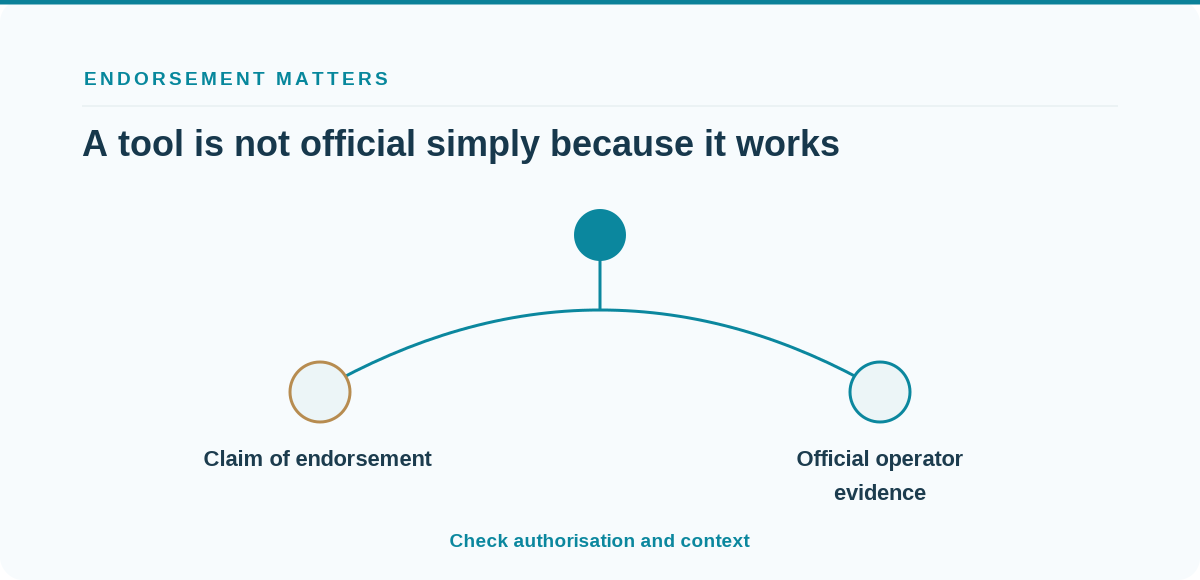
A regulator may publish technical expectations about randomness, transparency or testing without recommending any particular independent number-selection website. Similarly, an operator may describe its own Quick Pick service without endorsing every third-party generator compatible with the game.
An accurate article should distinguish all three. It can report what official documents say and then explain how those principles apply to choosing an independent tool.
Publishing the supporting links makes it possible for a reader to verify the interpretation instead of trusting an anonymous “expert insider”.
What an independent generator should learn from this
The public tool should document its source of game rules, explain how it creates a valid selection and correct mistakes when formats change. It should avoid suggesting endorsement or affiliation that the operator has not actually granted.
That is the approach described on LottoLuma's methods and sources page and FAQ.
A three-level source test for industry claims
The strongest evidence of an operator's position is a current rulebook, official statement or regulatory publication. Next come reputable reports that accurately quote those documents. Lowest on the list are anonymous “insider tips” and copied social-media claims with no underlying source.
If a generator vendor claims an operator approves its technology, seek a named public endorsement rather than accepting familiar logos. If a seller claims a regulator has certified its winning forecasts, inspect exactly what the certification covers. It may concern the security or statistical properties of a system, not its ability to forecast a separate lottery.
That difference is enormous. Randomness standards exist to protect fair outcomes, whereas a prediction service promises to anticipate outcomes. Confusing those two purposes can make an impressive-sounding certificate say far more than it actually means.
A practical endorsement check
If a site displays an operator’s logo, look for an official operator page that actually names the service as a partner or endorsed tool. A link to the operator’s public rules is not an endorsement. Likewise, a generator that follows an official format is not automatically authorised to sell tickets or use the operator’s branding in marketing.
An important editorial distinction
This article is not a claim that LottoLuma interviewed lottery operators, nor a survey of unnamed insiders. It is an examination of verifiable public positions and technical requirements. For this subject, that is more informative than an invented quote from someone described as “close to the industry”.
When an “insider” offers a guaranteed winning system, ask for the published evidence. When an operator publishes the rules and odds, begin there.
Sources and further reading
- Powerball — April 2024 Quick Pick and winner explanation
- UK Gambling Commission — RTS 7 random outcomes
- Allwyn UK — June 2026 Lotto game changes
Reference links support the article's factual and technical framework. Verify the current game version and editorial wording again before publication.